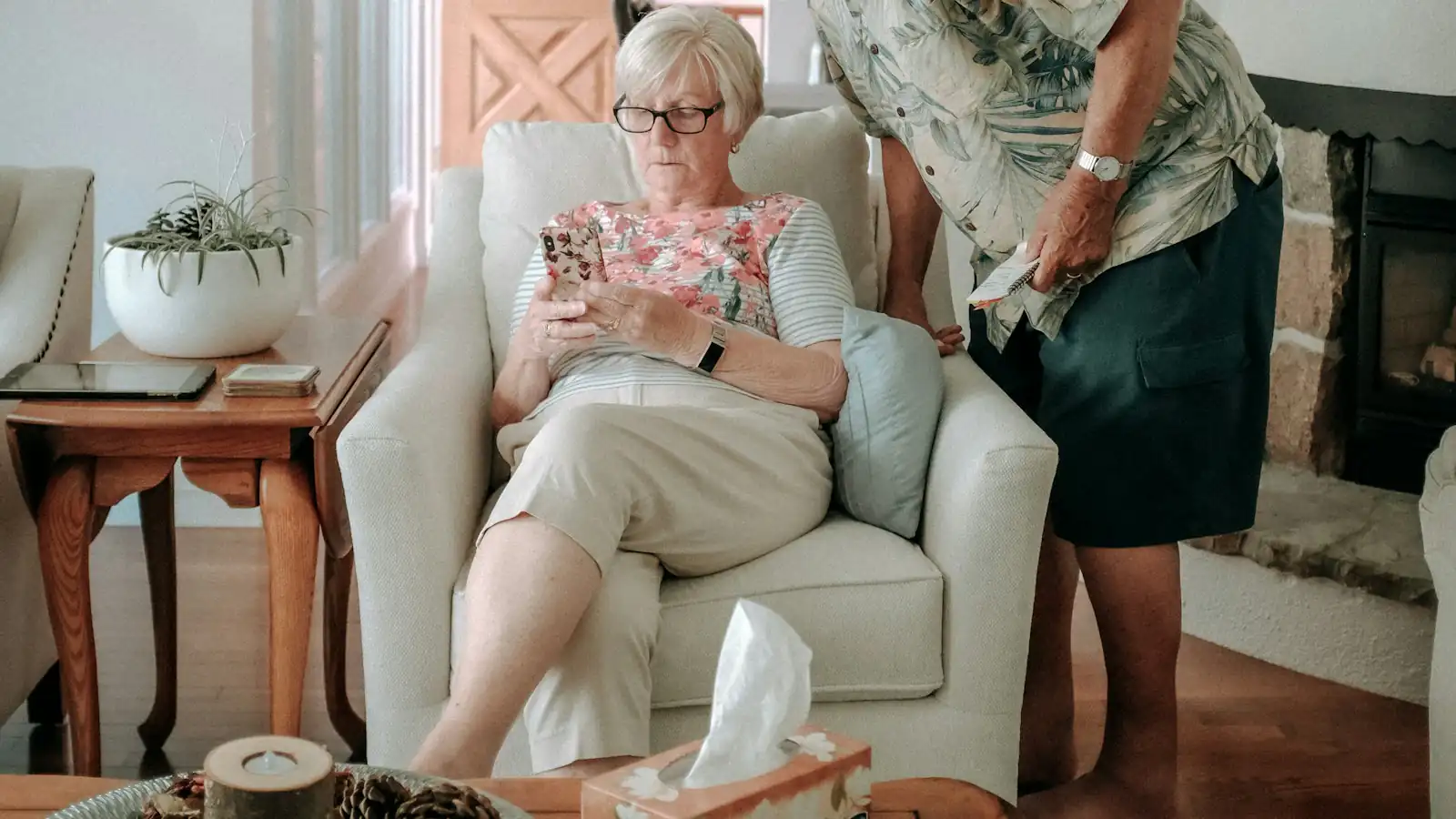
At home
The most common setting for adults, older people and younger children, and essential for adaptation and equipment advice.

From your first enquiry to the written report and any therapy that follows, this page sets out what to expect when you work with Private Occupational Therapy in Newcastle and the North East.
Request a quote
Tell us a little about what you need and we will be in touch to discuss the next steps.
Many people contacting a private occupational therapist for the first time are unsure what happens next or how much involvement is expected of them. Private Occupational Therapy follows the same straightforward sequence for every client: understand the need, agree the plan and cost, assess in the right setting, then put clear recommendations into writing.
Some clients need only an assessment and report. Others go on to a block of therapy with regular reviews. You decide how far to go at each stage, and nothing is booked until you have accepted a quote.
The same stages apply to children, adults and older people, and to professional instructions.
Use the enquiry form or email with a short outline of the person and the reason for getting in touch.
We discuss goals, background and the most suitable type of assessment, then send a written quote.
A visit at home, school, work or in the community, or by video where that suits the situation.
A written report sets out findings and practical recommendations for you and anyone supporting the person.
Where it is needed, therapy sessions or a home programme work towards agreed goals.
Progress is reviewed against the goals, and the plan is adjusted, continued or brought to a close.
An occupational therapy assessment looks at how a person manages the activities that matter to them and what is getting in the way. The content varies with age and need, but most assessments share the same building blocks.
The therapist begins by talking through medical and developmental history, current support and the main concerns. For a child this is usually with a parent; for an adult it may include a partner or carer. Agreeing goals at this point keeps the rest of the assessment focused.
The therapist then watches the person carry out everyday tasks, such as writing, dressing, preparing a drink or moving between rooms. Recognised assessment tools may be used to measure motor skills, sensory processing or functional ability, giving a reliable baseline for future reviews.
Because OT is practical, the setting itself is assessed too. That may mean the layout of a bathroom, the height of a desk, classroom noise or the demands of a particular job. A home assessment, for example, looks closely at access, bathing and stairs.
The length depends on the type of assessment and how many settings are involved. You will be told what to expect when the appointment is arranged.
The report turns the assessment into a written plan that you, and anyone you choose to share it with, can act on.
Reports are written in plain English. Their length and format depend on their purpose: a short summary for family use differs from a detailed report for an EHCP, a Disabled Facilities Grant application or a court. Medico-legal and care needs reports follow the requirements of the instructing solicitor or case manager.
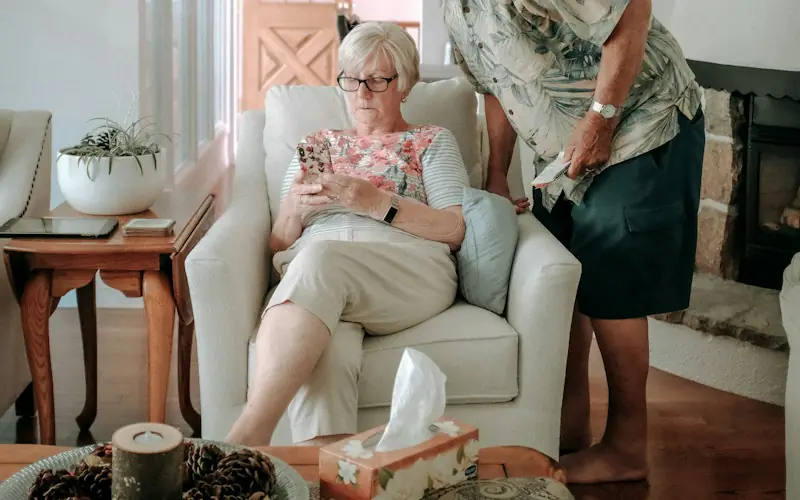
If therapy is recommended, the number and frequency of sessions are agreed in advance and included in your quote. Sessions build skills and confidence through practical activity: a child might work on handwriting, coordination or sensory regulation, while an adult recovering from a stroke might practise kitchen tasks or getting in and out of the bath.
Strategies are shared with parents, carers and school staff so progress continues between appointments. At review, goals are checked against the baseline from the assessment, and the plan is adjusted, extended or closed depending on the progress made.
Appointments are held wherever the difficulty shows up, across Newcastle and the wider North East.
The most common setting for adults, older people and younger children, and essential for adaptation and equipment advice.
Classroom and playground observation, with input for teachers and SENCOs.
Job demands and workstations assessed as part of a return to work plan.
Shops, transport or leisure settings where confidence and independence matter.
Used for follow-ups, parent advice and reviews where seeing someone in person is not essential.
Reports for professional instructions outside the region can be arranged by agreement.
Little preparation is needed, but a few things help the therapist get a full picture in the time available. For children, a normal day is more useful than a special one, so there is no need to rehearse tasks.
If you are unsure what to gather, mention it when you enquire and we will advise. Parents may also find our guide to signs a child may benefit from OT helpful in organising their thoughts.
No. Many people seek an OT assessment because they want to understand a difficulty better. The report describes what the therapist observed and recommends support whether or not a diagnosis is in place.
Yes. Many clients need only an assessment and report, for example to support an adaptation, a school request or a claim. Therapy is offered as a separate stage if it is needed.
The report goes to you, or to the instructing professional. It is shared with schools, GPs or others only with appropriate consent.
You receive a quote first, and payment routes include self-funding, some insurance policies and legal claims. Our fees and funding page covers each option.
Send a few details about the person and their needs, and Private Occupational Therapy will arrange an initial conversation and a quote.