
Immediate needs assessment
An early assessment, often arranged under the Rehabilitation Code, identifying urgent care, equipment, therapy and housing needs so interim funding is well directed.

Care and needs reports, immediate needs assessments and accommodation advice for personal injury and clinical negligence claims, prepared for solicitors, insurers, case managers and deputies in the North East and further afield by arrangement.
Request a quote
Tell us a little about what you need and we will be in touch to discuss the next steps.
Private Occupational Therapy prepares occupational therapy reports for personal injury and clinical negligence claims, covering immediate needs, past and future care, equipment and accommodation for adult and child claimants.
An occupational therapist reviews the records you send, then assesses the claimant, usually at home, comparing how they managed before the incident with daily life now. The work runs in a clear order: an initial conversation about the instruction, the assessment, then a written report with reasoned, costed recommendations. Treating therapy can follow for case-managed clients where it is needed.

An instruction can cover one early assessment or the full occupational therapy evidence for a claim.
An early assessment, often arranged under the Rehabilitation Code, identifying urgent care, equipment, therapy and housing needs so interim funding is well directed.
A full report on past and future care, therapy, aids, equipment and adaptations, with reasoned costings for each head of loss.
A review of the current home and the housing needs that follow from the injury, including whether an alternative property would be more suitable.
Item-by-item equipment recommendations with replacement intervals and maintenance, ready to feed into the schedule of loss.
Updated opinions as circumstances change, written answers to Part 35 questions and contributions to joint statements where directed.
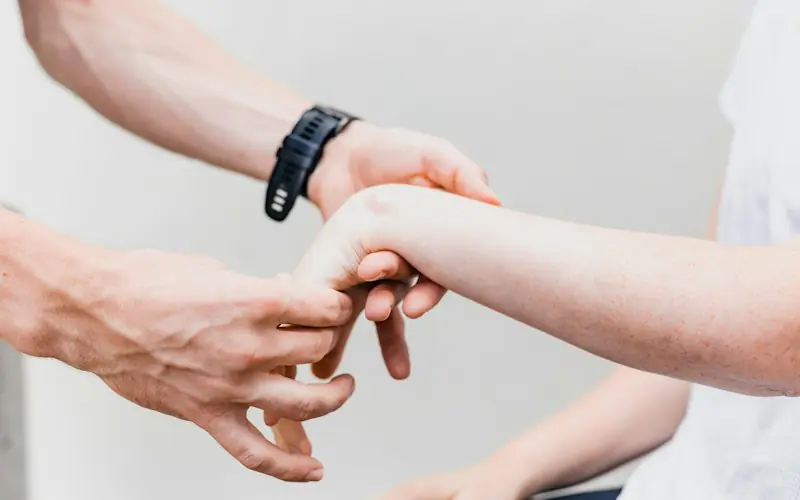
Rehabilitation for case-managed clients, kept separate from expert work on the same case to protect independence.
Neurological rehabilitationA care and needs report should set out the claimant's functional picture in enough detail for every figure to be understood and tested. Its structure follows the heads of loss that solicitors and insurers expect to see.
The assessment sets out the claimant's routines, roles and abilities on both sides of the incident, drawing on the records, witness statements and other expert evidence, alongside an interview and observation at home. Family members are asked about the support they have given, which often forms a significant part of the claim.
Past gratuitous care is quantified with the assumptions shown, so the court can see how the hours were reached. Future care is described by type, frequency and level of skill, with commercial rates explained and likely changes over the claimant's lifetime considered, such as ageing, the needs of a growing child or the loss of family support.
Recommendations for further therapy, case management, aids, assistive technology and transport are listed with their costs. Each item is linked back to an identified need rather than added as a standard extra.
In serious injury claims, housing and equipment are often among the largest and most disputed items, so the reasoning behind them needs to be transparent.
The accommodation assessment looks at access, circulation space, bathing, bedroom and kitchen arrangements, storage for equipment and space for carers. It considers whether the current home can be adapted or whether a move is the better option, and gives the specification an architect or surveyor needs to cost the work. Equipment is costed item by item with lifetimes and replacement cycles, drawing on the same approach used in our home assessments and adaptations and equipment and seating assessments.
Adult instructions commonly involve acquired brain injury, spinal cord injury, orthopaedic and multiple trauma, amputation and chronic pain following road traffic, workplace and public liability incidents. For brain injury in particular, the report looks beyond physical ability to the prompting, supervision and structure a person needs to manage safely that a short clinic appointment can miss.
Clinical negligence claims involving children, including birth injury, need a view of how needs will change through early childhood, school, adolescence and adult life. The assessment considers play, education, personal care and the demands on parents, drawing on the same developmental knowledge that underpins our paediatric occupational therapy.
Instructions are considered from claimant and defendant solicitors, insurers and on a single joint basis, subject to a conflict check.
Case managers can commission immediate needs assessments and treating therapy, and deputies can request assessments to inform care planning and spending decisions. Every report is written the same way, whoever is paying, because the expert's duty is to the court. More detail on referral routes is on the for professionals page.
Instructions are handled by email so there is a written record from the outset.
Email the nature of the injury, the report type, the claimant's location and any court or limitation dates.
Availability, a written quote and a realistic timescale are confirmed before you commit.
Send the formal instruction with the medical records, witness evidence and any existing expert reports.
The claimant is assessed, usually at home, and the signed report is sent to you with a statement of truth.
Please include any directions or limitation dates in your first email. Availability and a realistic date for the report are confirmed before you send a letter of instruction, so you can decide with the timetable in view.
Fees depend on the report type, the volume of records and travel. A written quote is provided before any work starts. The fees and funding page explains how quotes are put together.
Reports for claimants further afield can be arranged where travel is practical. Mention the claimant's location in your first email and it will be reflected in the quote.
Send Private Occupational Therapy a few case details and the report you need. Availability and a quote follow before anything is agreed.