
Person-centred
We start with what matters to the person and their family, and recommendations fit their routines, priorities and home life.

A private occupational therapy service based in Newcastle upon Tyne, providing assessments, reports and therapy for children, adults and older people across the North East.
Request a quote
Tell us a little about what you need and we will be in touch to discuss the next steps.
Occupational therapy is about the practical side of life: getting dressed, writing in class, cooking a meal, getting through a shift at work or moving around the house safely. When illness, injury, disability or developmental differences make those activities harder, an occupational therapist looks at why and recommends changes that help. Private Occupational Therapy offers that support privately, so families and professionals can arrange an assessment directly and agree the scope of work in advance.
The service is based in Newcastle upon Tyne and covers Gateshead, North and South Tyneside, Sunderland, Northumberland, County Durham and Teesside. People refer themselves, are referred by a relative, or are referred by a solicitor, case manager, school or employer. No GP referral is needed.
Every piece of work starts with an assessment, followed by a written report and, where it is needed, a programme of therapy.
Some clients need a single assessment and report to support a decision, such as a home adaptation, an EHCP request or a legal claim. Others want ongoing therapy with regular reviews. Both are available, and the plan is agreed with you before work starts. You can see the full list on our occupational therapy services page.

The approach is the same whether we are seeing a five-year-old at school or an adult returning home after a hospital stay.
We start with what matters to the person and their family, and recommendations fit their routines, priorities and home life.
Goals are agreed at the start and written in everyday terms, so everyone can see what therapy is working towards and how progress is measured.
Assessments use recognised tools alongside clinical observation, and interventions draw on current research and professional guidance.
Reports focus on specific, achievable changes, such as a piece of equipment, a classroom strategy or a routine, rather than general advice.
Occupational therapy works best when the people around a client understand the recommendations and can carry them through. Findings are shared clearly and, with consent, the therapist keeps in touch with the others involved.
Parents, partners and carers are usually the people putting advice into practice every day. We explain what we have found, show strategies in the home where possible and make sure written reports are easy to follow.
For children, much of the work involves teachers, teaching assistants and SENCOs. Classroom observations and school-based recommendations help staff support a child consistently, and reports can feed into EHCP and school assessments.
Private therapy can sit alongside NHS or local authority care. We aim to complement existing support and avoid duplication, and our guide to NHS and private occupational therapy sets out how the two compare.
In injury and litigation cases, we work to the instructing professional's requirements on format, scope and deadlines, with regular updates on progress. More detail is on our page for professionals.
Clients range from young children to older adults, each with their own reasons for seeking an OT.
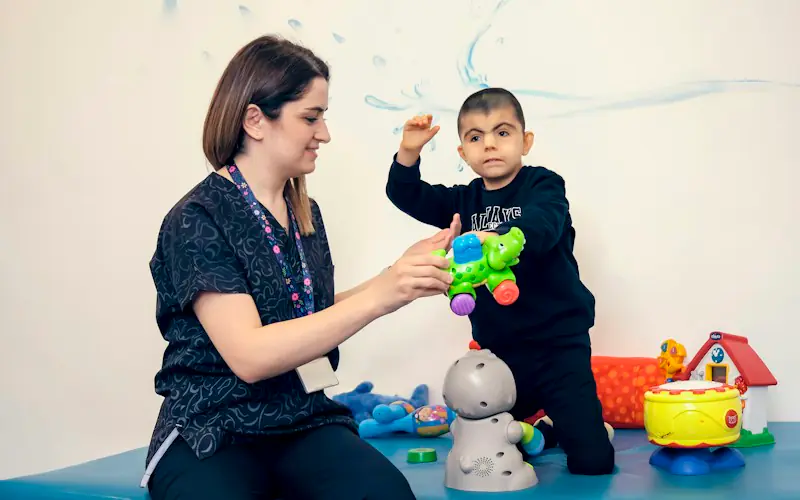
Support with motor skills, sensory processing, self-care and school, often for children with autism, ADHD or dyspraxia.
Children's OT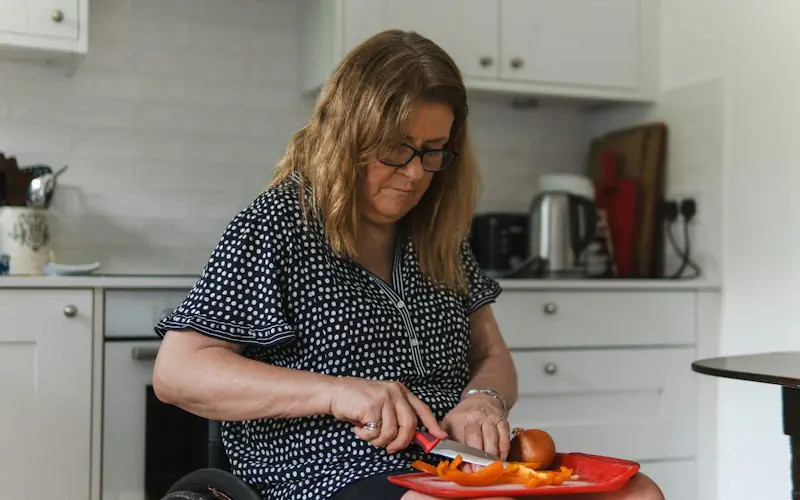
Rehabilitation and practical support after injury, stroke or illness, or with mental health and long-term conditions.
Adult OT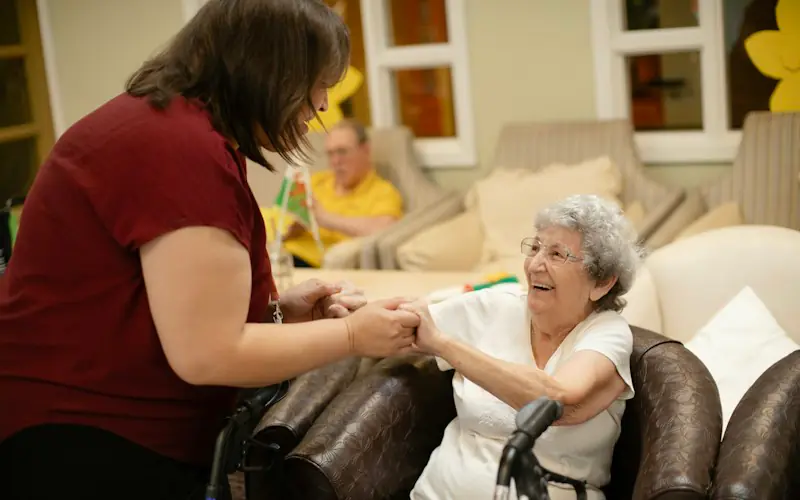
Help to stay safe and independent at home, including falls risk, equipment and adaptations.
Falls preventionAn OT assessment is most useful when it takes place in the setting where the difficulty arises. A child who struggles with handwriting is best observed in class; an adult adapting to a wheelchair needs their own doorways and bathroom assessed. For that reason most appointments happen in person across the North East, with video used for follow-up, advice and some reviews.
Medico-legal and care needs reports can also be arranged outside the region by agreement. Details of towns and boroughs are on our areas we cover page.
Families often come to Private Occupational Therapy because they want an assessment that looks closely at their situation and a report they can use straight away. Professionals tend to value clear communication, reports that answer the questions asked and a single point of contact for assessment, therapy and reviews.
Costs are discussed openly. You receive a quote before any work is booked, and our fees and funding page explains the routes people commonly use to pay, including self-funding, insurance and legal claims.
No. It is an independent private service. Some clients receive NHS or local authority support at the same time, and private input is planned so that it adds to that care rather than repeating it.
Yes. Parents, partners, adult children and professionals often get in touch on someone's behalf. The person being assessed, or the person with legal authority to decide for them, needs to agree before an assessment goes ahead.
No. The service covers children and young people, adults and older people, with assessments and therapy adapted to each age group and setting.
Tell us a little about the person who needs support and what you hope to achieve. We will explain the options and send a quote before anything is arranged.