
Functional and cognitive assessment
Observation of real tasks alongside screening of memory, attention, perception and problem-solving, to find where things break down.

Neuro rehab OT for adults living with the effects of stroke, brain injury, spinal injury or a progressive neurological condition, delivered at home and in the community, with clear reports for families and case managers.
Request a quote
Tell us a little about what you need and we will be in touch to discuss the next steps.
Private Occupational Therapy provides neurological occupational therapy for adults after stroke, brain injury or spinal injury, and for people living with MS, Parkinson's or FND. Therapy targets the everyday tasks these conditions make harder, from personal care and cooking to work and getting out.
An occupational therapist starts with an initial conversation, then assesses you at home, looking at movement, thinking, fatigue and daily routines. A written report sets out goals and a recommended programme, and therapy follows at home, in the community or by video. After stroke or injury the focus is usually regaining skills; with progressive conditions it shifts to keeping routines going and planning ahead.
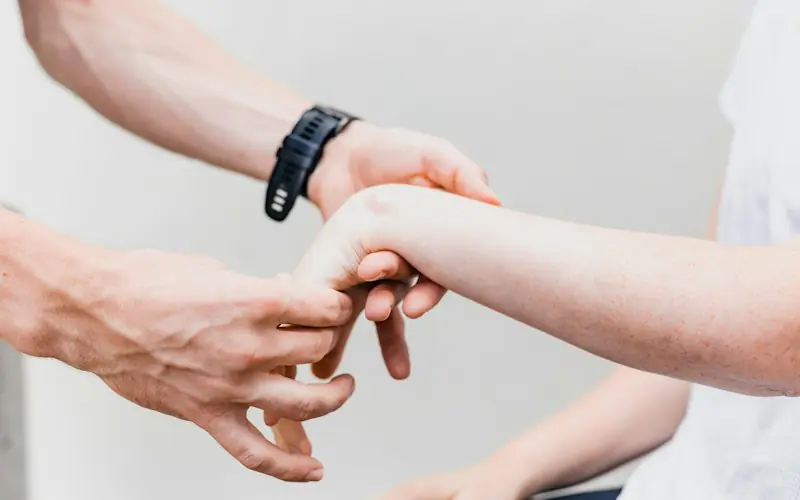
Private neuro OT suits adults who want more rehabilitation than they currently receive, or who need focused help with a specific problem that keeps getting in the way.
Some people get in touch after NHS rehabilitation has ended. Others are case-managed clients with a brain or spinal injury claim, where a case manager needs a treating occupational therapist to deliver rehabilitation and report on it. Often a relative makes the first contact. Condition pages on stroke and acquired brain injury give more background.
Most programmes combine assessment, hands-on practice and strategies that family members or support workers can carry on between sessions.
Observation of real tasks alongside screening of memory, attention, perception and problem-solving, to find where things break down.
Graded practice to improve reach, grip and coordination for dressing, cooking, writing and personal care.
Planners, phone reminders, checklists and set routines that work in a real home, beyond exercises on paper.
Pacing and weekly energy planning, which is often central for MS, brain injury and FND.
Supported practice with shopping, public transport, appointments and social activities.
Joint working with case managers, physiotherapists, speech and language therapists, psychologists and NHS teams.
Goals are agreed at the start and written in plain language, so everyone knows what is being worked towards. Examples include making a hot drink safely, showering without help, managing the weekly shop or a supported return to work. Progress is reviewed against those goals rather than a vague sense of improvement.
Therapy aims to build confidence and independence in the activities that matter most, using strategies that still hold up on a bad day. Where equipment would help, such as a perching stool or a wheelchair cushion, it can be looked at through an equipment and seating assessment.
Relatives and support staff are shown how to help without taking over. Shared routines and written strategies mean everyone works from the same plan.
Self-referrals and professional referrals follow the same steps.
Send a few details by email or through the quote form. We talk through the main concerns, relevant history and who else is involved.
The first visit covers daily routines, physical and cognitive abilities, mood, fatigue and the home environment.
A written report sets out findings, agreed goals and a recommended programme, including how many sessions and how often.
Sessions follow the plan, with progress reviewed at set points and shared with other professionals where consent is given.
Sessions are delivered in clients' homes and local areas across Tyneside, Wearside, Northumberland and County Durham. Real settings matter in neurological rehabilitation, because skills practised in a clinic do not always carry over to a cluttered kitchen or a busy Metro station. Video appointments suit reviews, fatigue planning and coaching relatives. The areas we cover page gives more detail.
Every assessment leads to a written report covering findings, goals and recommendations. In case-managed work, progress reports help the case manager shape the rehabilitation programme and keep solicitors, deputies or insurers informed about what is being delivered and why. Treating reports are separate from independent expert evidence, so if a claim needs a care and needs report, see medico-legal and care needs reports. Referrers can find more on our page for professionals.
Many clients self-fund. Others are funded through a personal injury or clinical negligence claim, a private health insurance policy, or a personal health budget where the funder agrees. Costs depend on the assessment, travel and length of programme. See fees and funding for the options.
Not necessarily. Many people keep making meaningful gains long after the event, especially when therapy targets specific, practical goals. The assessment gives an honest view of what is realistic.
Yes. Private therapy can add intensity or cover areas the NHS team is not currently addressing. With your consent, Private Occupational Therapy shares plans with your NHS therapists so effort is not duplicated.
Yes. Case managers and solicitors can refer clients with brain, spinal or other neurological injuries for treating occupational therapy, with regular progress updates.
Yes. Occupational therapy for FND focuses on daily routines, pacing, managing symptoms during activity and a gradual return to valued roles. It works best alongside the person's neurology team.
No. You can refer yourself or a family member directly.
Send a few details about the person, their condition and what they would like to achieve, and we will reply by email to arrange a first conversation.