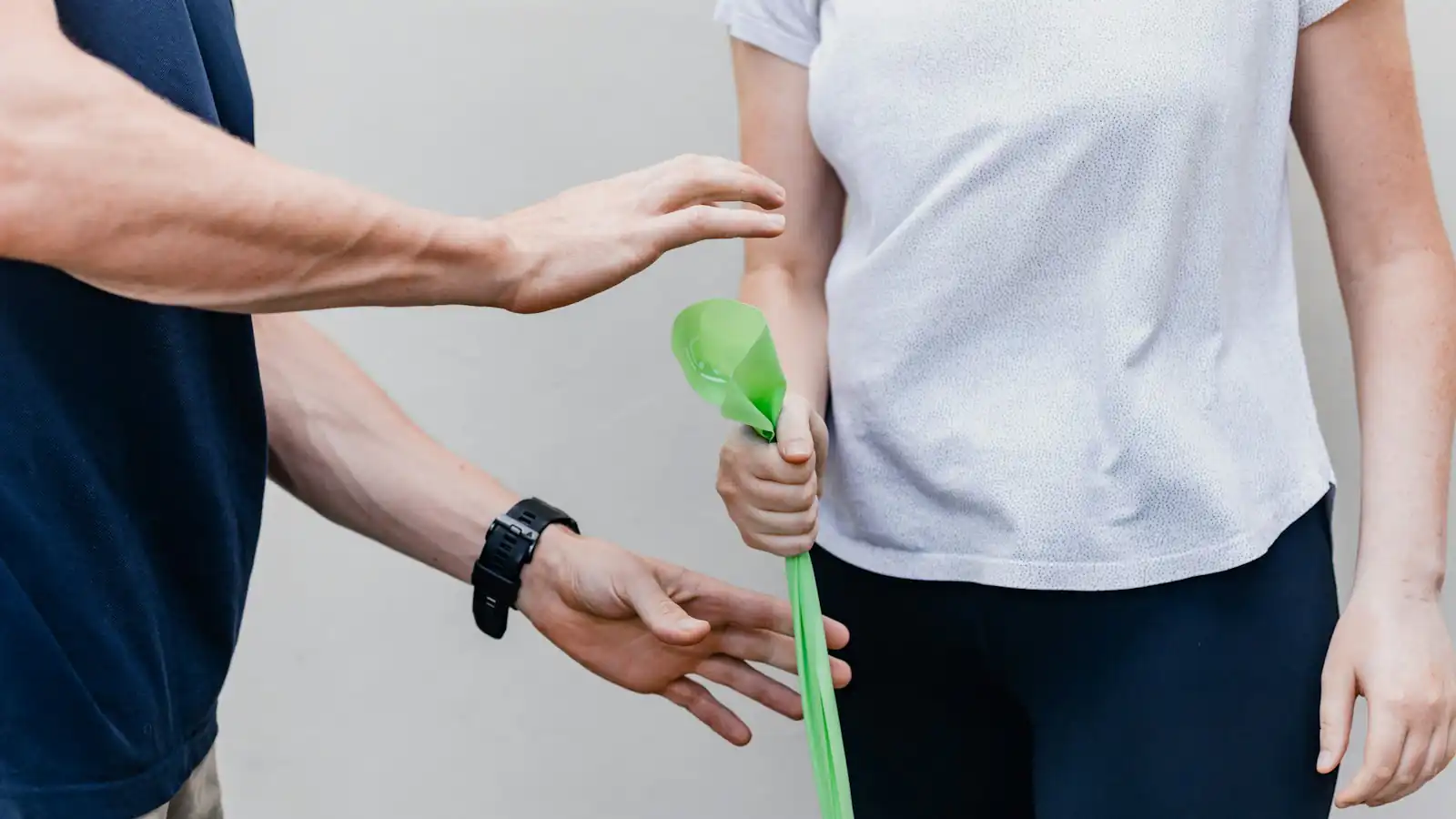
Upper limb rehabilitation
Graded practice and home programmes to encourage use of the affected arm and hand in real tasks such as eating, washing and writing.

Private occupational therapy for stroke survivors at home and in the community across the North East, focused on daily tasks, arm and hand use, fatigue, thinking skills and the roles you want to return to.
Request a quote
Tell us a little about what you need and we will be in touch to discuss the next steps.
A stroke can change how someone moves, feels, sees, thinks and copes with tiredness. For one person the main difficulty is a weak arm that makes dressing and cooking slow. For another it is losing track halfway through a task, missing things on one side, or feeling exhausted by mid-morning. These changes often show up most clearly at home, once hospital and early NHS therapy have finished.
Occupational therapy looks at those everyday activities directly. Private Occupational Therapy provides stroke rehabilitation in your own home and local community, built around the tasks and roles that matter to you, from making a cup of tea safely to getting back to work.
Each programme starts from your goals, so the balance between these areas will differ from person to person.
Graded practice and home programmes to encourage use of the affected arm and hand in real tasks such as eating, washing and writing.
Washing, dressing, toileting, meal preparation and household tasks, practised in your own kitchen and bathroom.
Practical strategies for memory, attention and planning, using routines, prompts and checklists.
Pacing and energy planning so the activities that matter most get done without leaving you drained for days.
Scanning techniques and changes to layout, lighting and contrast where visual field loss, neglect or perceptual difficulties affect daily tasks.
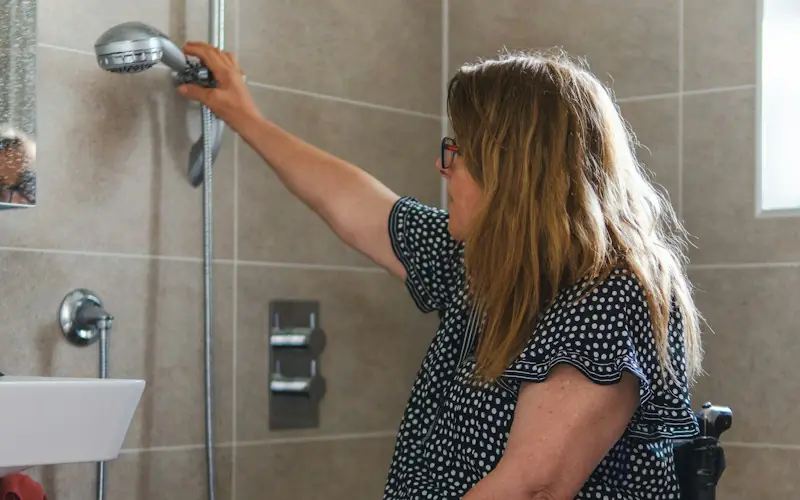
Advice on rails, bathing equipment, seating and access, with recommendations that can support a grant application.
Home assessmentsThe service suits adults at any stage after a stroke, including people who were discharged some time ago and feel progress has stalled.
Some people want more therapy time soon after leaving hospital. Others get in touch months or years later with a specific goal, such as returning to work. Families often make the first enquiry, and solicitors and case managers can refer clients whose stroke is part of a clinical negligence claim. Stroke is one of several conditions covered by our wider neurological rehabilitation service.
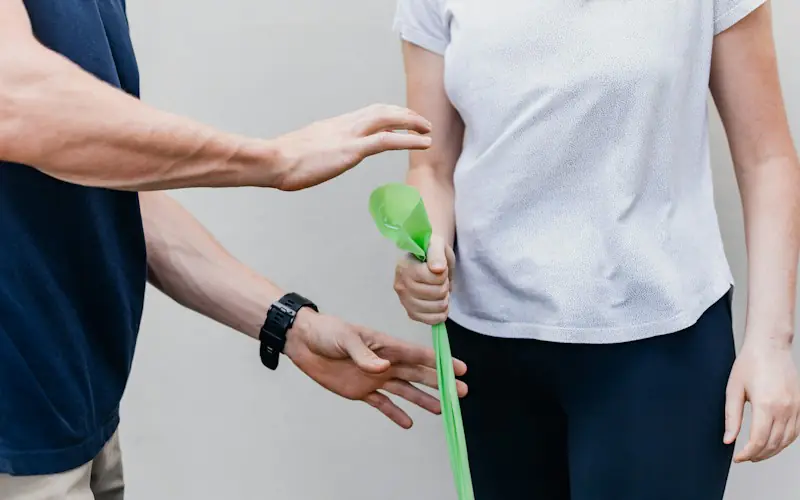
The first assessment usually takes place at home. The therapist watches how you manage everyday tasks, checks arm and hand function, and looks at thinking skills, vision, fatigue and the home layout. You then agree clear, practical goals together, based on what you want to be able to do again.
Therapy centres on practising real activities in the places you do them. Sessions are paired with a home programme so practice continues between visits, and the therapist adjusts the difficulty as things change. Session frequency is agreed with you, based on your goals, energy and budget.
Private therapy can sit alongside NHS care rather than replacing it. With your consent, Private Occupational Therapy can share goals and progress with your GP, community stroke team or other therapists, so everyone is pulling in the same direction and advice stays consistent.
Rehabilitation does not stop at the front door. Shopping, using public transport or returning to a club can all become goals, with graded practice out in the community.
For people in employment, the therapist can look at the demands of your role, suggest reasonable adjustments and help plan a phased return with your employer. More detail is on our return to work and vocational rehabilitation page.
The DVLA has rules about driving after a stroke, and your doctor's advice comes first. An occupational therapist can talk through the practical and cognitive skills involved, help you understand the process and point you towards a specialist driving assessment where that is appropriate.
Partners and family members often take on a great deal. Private Occupational Therapy can show carers safe ways to help with transfers and personal care, and explain fatigue and cognitive changes so the household routine feels more manageable.
You receive a quote before any work goes ahead. See how it works for more detail.
Send a few details about the stroke, current difficulties and what you hope to achieve.
A short discussion to check the service is a good fit and agree the next step.
A detailed assessment at home, followed by a written report with goals and recommendations.
A programme of sessions and home practice, with regular reviews of progress against your goals.
Every assessment leads to a written report setting out findings, goals and recommendations for therapy, equipment or adaptations. Where a stroke forms part of a legal claim, Private Occupational Therapy can also provide medico-legal and care needs reports for solicitors and case managers.
Many people self-fund, while others use private health insurance, a personal injury or clinical negligence claim, or a personal health budget where the funder agrees. Our fees and funding page explains the options. Home visits cover Newcastle and the wider North East, with video sessions where they suit the goal.
Not necessarily. Many people still have goals long after discharge, such as cooking again or returning to a hobby. The assessment looks at where you are now and what is realistic to aim for.
No. You or a family member can contact us directly. With your permission, the therapist can keep your GP and any NHS team informed.
Yes. Private sessions can complement NHS input, and the therapist will coordinate with the teams involved so advice does not conflict.
That is agreed with you after assessment. Some people prefer a more intensive block of sessions, while others choose fewer visits with a structured home programme in between.
Yes. Recommendations can include bathing aids, rails, seating and other equipment. For more complex needs, see equipment and seating assessments.
Tell us about the stroke and what you would like to get back to, and we will reply with the next steps and a quote.