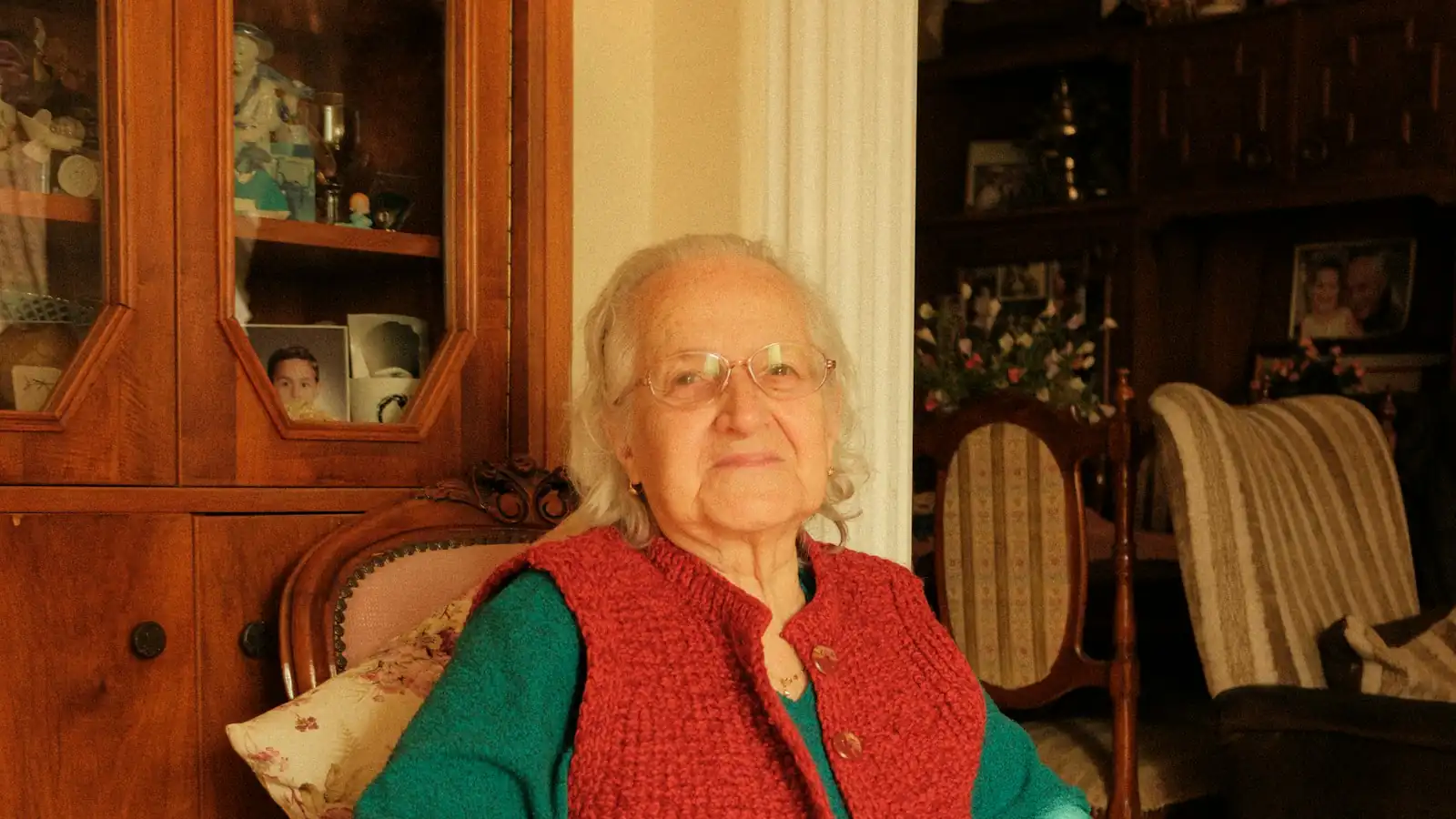
Dementia-friendly home changes
Advice on lighting, colour contrast, signage, clutter and layout so rooms are easier to recognise and use.

Practical occupational therapy that helps people living with dementia stay safe, occupied and comfortable at home, with clear advice and support for the family members and carers around them.
Request a quote
Tell us a little about what you need and we will be in touch to discuss the next steps.
Dementia gradually changes how a person remembers, plans, recognises their surroundings and carries out familiar tasks. Early on, this might mean missing steps when making a meal or losing track of appointments. Later, washing, dressing, eating and moving safely around the house can all become harder, and the person may lose interest in activities they once enjoyed.
Families often notice the practical problems first: a pan left on the hob, the front door found open, a fall on the stairs, or someone who seems bored and unsettled. Occupational therapy focuses on these everyday difficulties, looking at the person, their routine and their home together.
Private Occupational Therapy supports people at any stage of dementia, whether they live alone, with family or in a care home, along with the relatives who care for them.
A formal diagnosis is helpful but not essential, so support can start while someone is waiting for a memory clinic appointment. Adult children worried about a parent, sometimes from a distance, can arrange an assessment too. Care homes, deputies and attorneys acting under a Lasting Power of Attorney also arrange assessments.
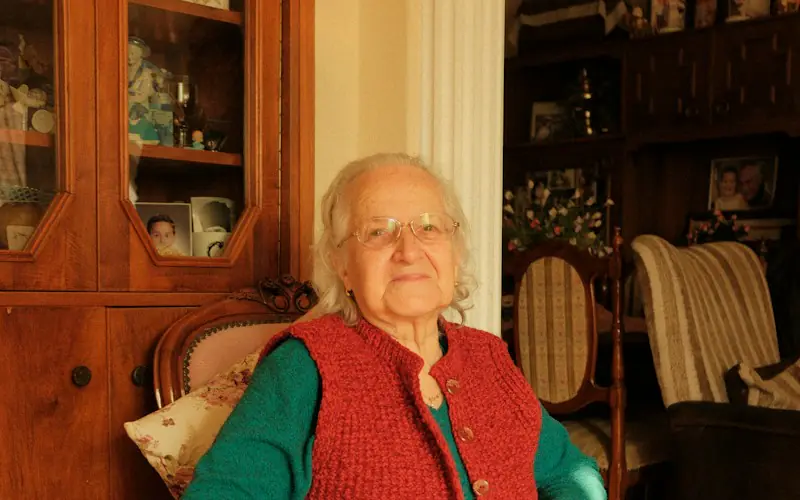
Recommendations are practical and grounded in what the person can still do, with the aim of supporting independence and safety for as long as possible.
Advice on lighting, colour contrast, signage, clutter and layout so rooms are easier to recognise and use.
Simple daily structures and activities linked to the person's interests, history and current abilities.
Guidance on calendar clocks, reminders, door and bed sensors, and other technology suited to the person.
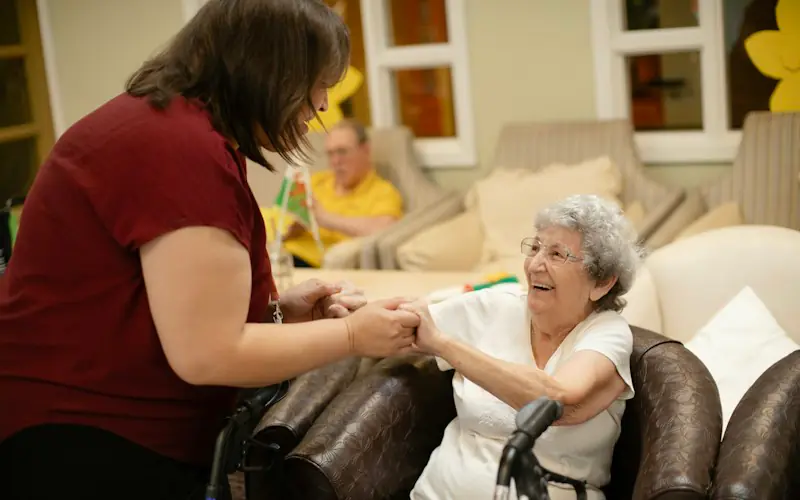
Assessment of falls risk at home, with changes to furniture, equipment and routines to reduce hazards.
Falls preventionPractical strategies for helping with personal care, communication and distressed behaviour.
Bathing aids, rails, chairs and other equipment chosen with changing needs in mind.
Equipment and seatingThe therapist visits the person at home, ideally with a family member or carer present. Time is spent getting to know the person, their routine and what matters to them, and watching how they manage everyday tasks such as making a drink or getting washed. The home itself is assessed for hazards, lighting, access and anything that adds to confusion.
Afterwards you receive a written report with clear, prioritised recommendations. These may cover simple changes the family can make straight away, equipment, assistive technology, routines and activity ideas, along with larger home adaptations. Reports can also support requests to the local authority, including Disabled Facilities Grant applications where adaptations are needed.
Private Occupational Therapy also visits people living in care homes. Assessments can look at seating and positioning, moving and handling, the layout of the person's room, and ideas for meaningful activity that staff can build into the day.
Caring for someone with dementia is demanding, and carers often benefit as much from occupational therapy as the person themselves. The therapist can show safer ways to help with washing, dressing and transfers, suggest how to break tasks into manageable steps, and talk through ways to respond when the person becomes anxious or unsettled. Advice is realistic about the time and energy carers have.
In England and Wales, the Mental Capacity Act 2005 says a person is assumed to have capacity unless shown otherwise, and that capacity is judged decision by decision. Someone with dementia may be able to make many choices about their daily life even when other decisions are harder. The therapist involves the person in recommendations as fully as possible and works with families, attorneys and professionals where best interests decisions are needed.
Many families start with a single assessment visit and decide on further support once they have read the report. Our how it works page has more detail.
Send a few details about the person, where they live and your main concerns. We then arrange a short conversation and provide a quote.
A home or care home visit, followed by a written report with practical recommendations.
Further visits to set up routines, train carers or review changes as needs develop.
Many families self-fund dementia occupational therapy, and some use direct payments or a personal health budget where the funder agrees. Deputies and attorneys can also commission assessments on the person's behalf. Private Occupational Therapy provides a quote before any visit goes ahead, and the fees and funding page explains the options. Home and care home visits cover Newcastle and the wider North East, and relatives who live further away can join by video.
Yes. Early support gives the person a chance to learn new routines and tools, such as reminders and calendars, while they are still able to take part in planning.
No. An assessment can go ahead based on the difficulties you are seeing, and the report can be shared with the GP or memory service if you wish.
Yes. The visit takes place at your parent's home, and you can join by video or receive a summary afterwards.
Yes. Assessments in care homes can cover seating, equipment, the room layout and meaningful activity, with advice shared with staff.
This is common. The therapist takes time to build rapport, focuses on what the person wants, and can advise families on approaches that respect their choices.
Tell us about your relative and what is worrying you, and we will reply with the next steps and a quote.