Task-focused sessions
Task-oriented approaches, which are widely recommended for DCD, break goals such as tying laces or catching a ball into learnable steps.

Occupational therapy assessment and therapy for dyspraxia, also known as developmental coordination disorder (DCD), for children and adults in Newcastle and the North East who find coordination, handwriting and everyday physical tasks unusually hard.
Request a quote
Tell us a little about what you need and we will be in touch to discuss the next steps.
Developmental coordination disorder is the formal name for what many people in the UK still call dyspraxia. It affects how a person plans and coordinates movement, so physical skills that other children pick up quickly take much longer to learn and more effort to perform. Parents often notice a child who struggles with buttons, zips and laces, spills drinks, finds cutlery awkward, avoids ball games or takes far longer than classmates to learn to ride a bike.
At school, handwriting is often slow, untidy or tiring, copying from the board is hard and PE can knock a child's confidence. Many children with DCD also find it hard to organise their belongings and their work. None of this reflects intelligence or effort, and a clear assessment helps parents and teachers understand what is behind the difficulties.
A DCD assessment with Private Occupational Therapy looks at motor skills, handwriting and self-care in detail, and at how difficulties affect daily life at home and at school.
The therapist uses a standardised motor assessment, which compares a child's balance, ball skills and fine motor control with others of the same age. This is combined with a handwriting assessment, observation of everyday tasks such as dressing and using cutlery, and questionnaires completed by parents and, where possible, teachers. A school visit can be added if it would help.
Occupational therapy motor assessments provide key evidence for a DCD diagnosis. The diagnosis itself is usually confirmed by a paediatrician, who also considers medical history and rules out other explanations. With your consent, the report can be shared with your GP or paediatrician to support that process. A formal diagnosis is not usually made before about the age of five, although younger children can still be assessed and supported.
Every Private Occupational Therapy report sets out the results in plain English, explains what they mean for daily life and lists practical recommendations for home and school. Parents often share it with the SENCO, and professionals such as paediatricians and educational psychologists can use it alongside their own findings.
Therapy focuses on the specific tasks a child or adult wants or needs to do, practised in a structured, encouraging way.
Task-oriented approaches, which are widely recommended for DCD, break goals such as tying laces or catching a ball into learnable steps.
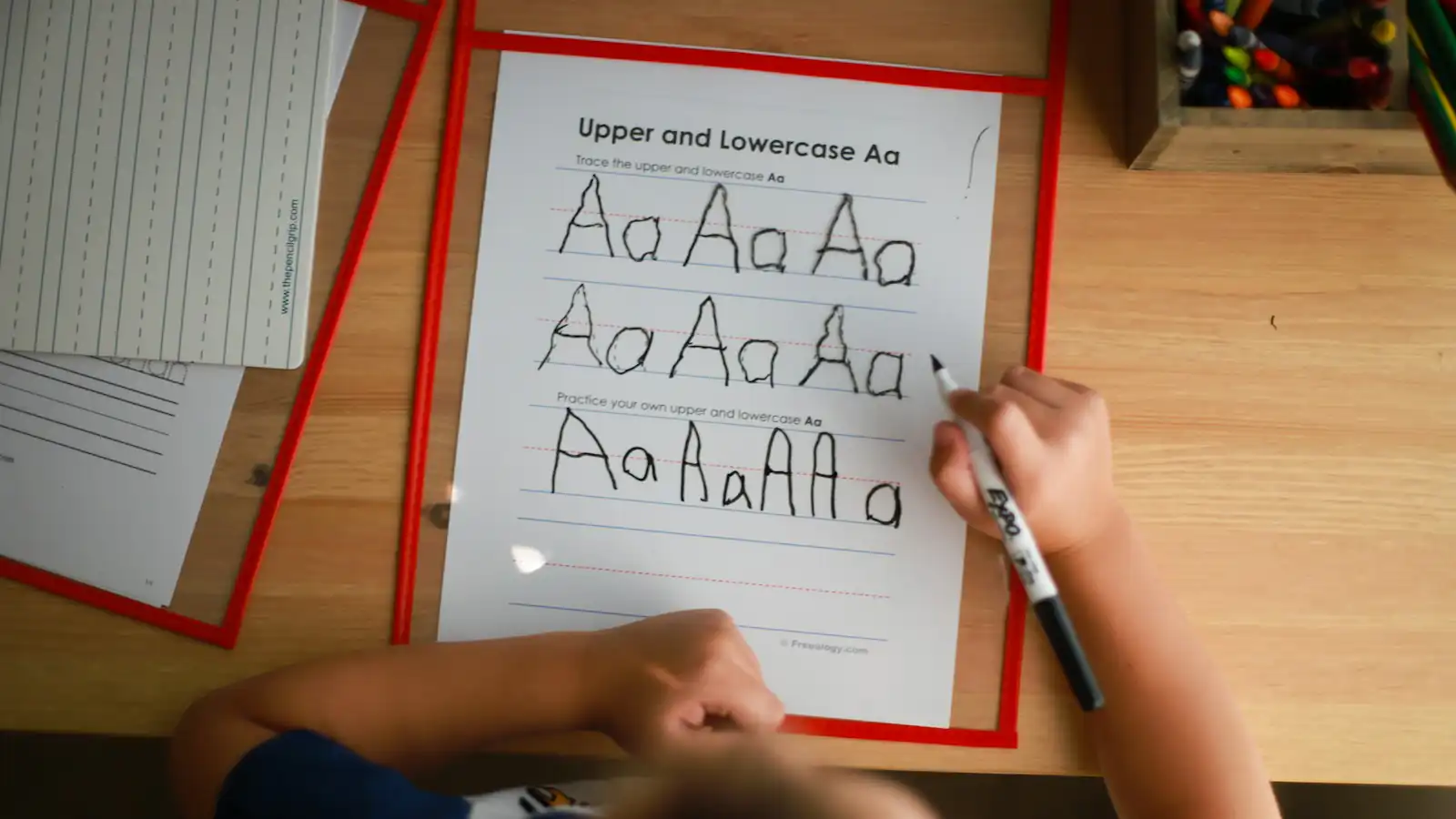
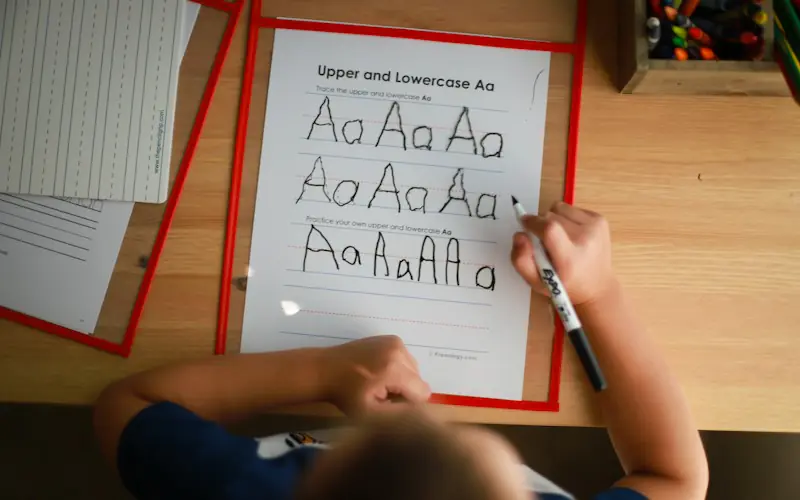
Work on posture, grip and letter formation, with advice on when touch-typing or a laptop would serve better.
Practical strategies and simple equipment for buttons, zips, laces and cutlery, practised at home.
Building the skills behind PE, playground games, swimming and cycling, to help a child join in with friends.
Small changes in the classroom can reduce the physical load on a child with DCD and let their ability show.
Recommendations are written so that teachers and SENCOs can act on them straight away. They may cover seating, writing tools, recording work in other ways and adapting PE. The report can also inform decisions about exam access arrangements, which the school applies for. If a child needs more than the school can usually provide, an EHCP and school assessment sets out their needs in detail, and many children are seen through our paediatric occupational therapy service.
DCD continues into adulthood, and many adults were never assessed as children. Adults often describe difficulty with cooking, household tasks, learning to drive, handwriting at work or keeping organised. Private Occupational Therapy can assess how coordination difficulties affect daily life and recommend practical strategies, equipment and workplace adjustments. A report can support a conversation with your GP about diagnosis, or a request for reasonable adjustments at work through our return to work service or adult occupational therapy.
No GP referral is needed. Appointments take place across Newcastle and the North East, and our fees and funding page explains how families pay for assessment and therapy.
Tell us about the difficulties at home and school.
We confirm whether a DCD assessment is appropriate and provide a quote.
Standardised testing, handwriting and self-care observation, plus questionnaires.
A written report with recommendations, followed by therapy if needed.
Occupational therapists carry out the motor assessments that are central to a DCD diagnosis. The diagnosis is usually confirmed by a paediatrician, and the report can be shared with them.
Children of any age can be assessed for motor difficulties. A formal DCD diagnosis is not usually made before about five, but earlier support can still help.
If you see ongoing difficulties with dressing, handwriting or coordination, an assessment gives an objective picture that you can share with school.
Yes. Adult assessments focus on daily living, work and study, and the report can support conversations with your GP or employer.
Not necessarily. Many children benefit from both. The assessment helps decide which tasks suit handwriting and which suit typing.
Send a few details about the difficulties you have noticed and we will reply by email with next steps and a quote.