Autism
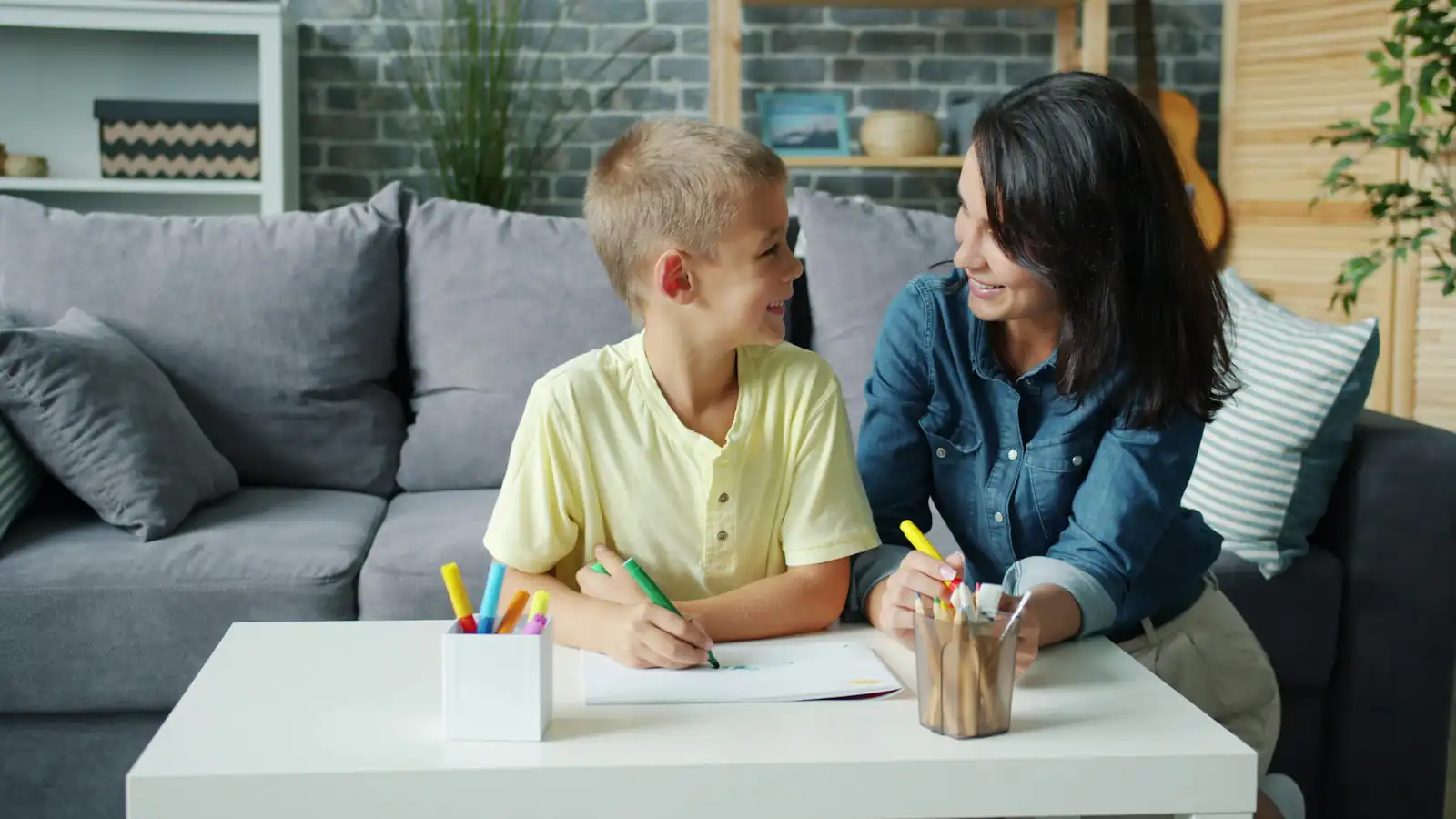
Sensory, regulation and self-care support for autistic children and adults, with a neurodiversity-affirming approach.
Occupational therapy for autism
Private Occupational Therapy supports children, adults and older people across Newcastle and the North East. We start with the everyday tasks that have become difficult, so a diagnosis is helpful but never required.
Request a quote
Tell us a little about what you need and we will be in touch to discuss the next steps.
Occupational therapy looks at the things a person needs and wants to do each day: getting dressed, eating, writing, playing, cooking, working, studying and getting out into the community. When a condition makes any of those harder, an occupational therapist works out why and what would help. That is why Private Occupational Therapy plans support around the difficulties you describe rather than the name of a condition.
You do not need a diagnosis to book an assessment. Many families get in touch while waiting for an autism or ADHD assessment, and many adults have long-standing difficulties that have never been formally named. Where a diagnosis exists, it adds useful context. The starting point is the same in every case: what is hard right now, where it happens and what you would like to change.
These pages cover the conditions people ask Private Occupational Therapy about most often, with detail on assessment, therapy and reports.
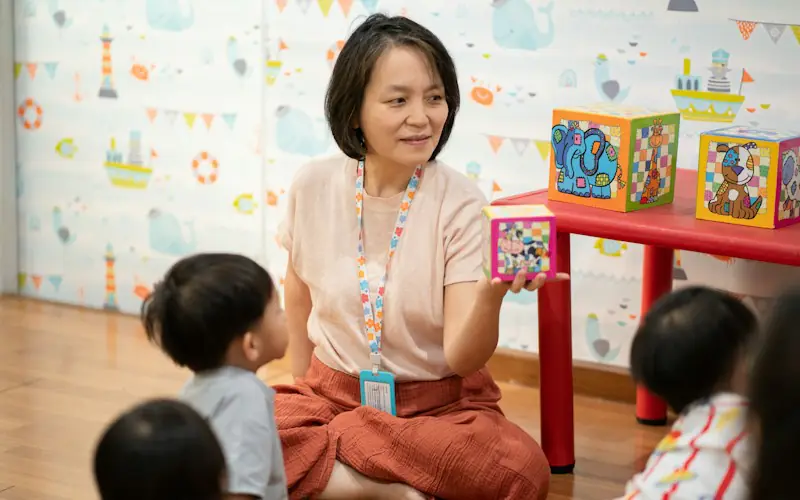
Sensory, regulation and self-care support for autistic children and adults, with a neurodiversity-affirming approach.
Occupational therapy for autism
Practical strategies for organisation, attention, routines and sensory regulation at home, school and work.
Occupational therapy for ADHD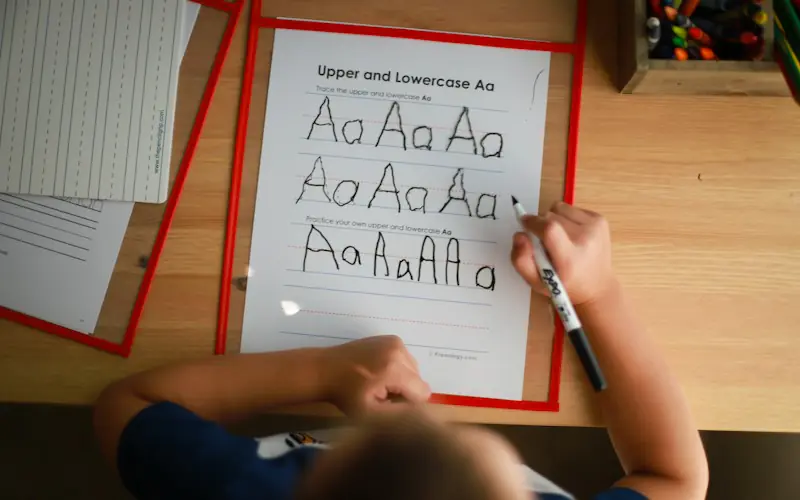
Motor assessment and therapy for coordination, handwriting and self-care, for children and adults.
Dyspraxia and DCD assessment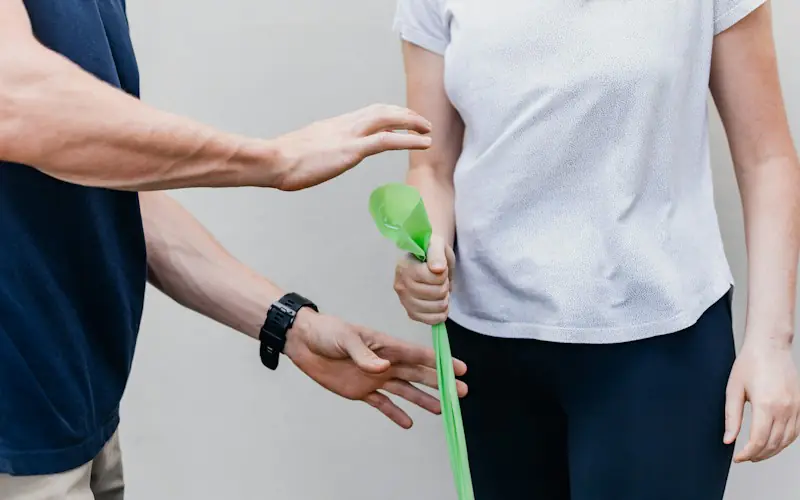
Rehabilitation at home and in the community to rebuild routines, arm function and confidence.
Stroke rehabilitation
Cognitive rehabilitation, structured routines and case-managed support after acquired or traumatic brain injury.
Brain injury rehabilitation
Home safety, routines and practical help for people living with dementia and the family members who care for them.
Occupational therapy for dementiaMuch of our work with children and young people involves neurodevelopmental conditions: autism, ADHD, dyspraxia (developmental coordination disorder), sensory processing differences, learning disabilities, developmental delay, Down syndrome and cerebral palsy. These often overlap, so one child may struggle with handwriting, dressing, sleep and noise at the same time.
Assessment covers motor skills, sensory processing, self-care and how a child manages at home and in the classroom. Therapy might involve building specific skills, adapting routines and equipment, or giving parents and teachers strategies they can use every day. Our paediatric occupational therapy service covers most of this work, with sensory integration therapy for children whose sensory needs are central. Where a child needs more help in school, an EHCP and school assessment can set out their needs and the provision that would support them.
Adults with neurodevelopmental conditions are welcome too, including people diagnosed later in life.
Stroke, brain injury, multiple sclerosis, Parkinson's disease, spinal cord injury and functional neurological disorder (FND) can affect movement, sensation, thinking, energy and mood.
Rehabilitation focuses on the routines and roles that matter to the person. Sessions often take place in real settings such as your kitchen or workplace.For progressive conditions such as MS and Parkinson's, the emphasis moves towards managing fatigue, staying safe and adapting as needs change.
Find out more about neurological rehabilitation or, for injury claims, our medico-legal and care needs reports.
Hypermobility and Ehlers-Danlos syndromes, chronic pain, ME/CFS, long COVID and arthritis share a common problem: ordinary activities cost more energy or cause more pain than they should. Occupational therapy helps people plan their day, pace activity, protect their joints and use equipment so their energy goes on the things they value. For children with hypermobility, this often includes advice on handwriting and seating at school.
After a joint replacement or other orthopaedic surgery, a home visit can identify the equipment and changes needed to wash, dress and move about safely while you recover. Our adult occupational therapy and equipment and seating assessments pages explain this support in more detail.
For older people, the focus is usually on staying safe and independent at home.
An assessment looks at how someone manages stairs, bathing, getting in and out of bed and moving around the house, along with memory, confidence and any recent falls. Recommendations might include rails, equipment, better lighting or simpler routines. The older adults and falls prevention service and home assessments and adaptations cover this work across the North East.
Anxiety and depression can make it hard to keep up with self-care, work, study and contact with other people. Mental health occupational therapy focuses on rebuilding routine and meaningful activity in small, achievable steps, and it can sit alongside talking therapy or medical care. It is not a crisis or emergency service: if someone is at immediate risk, contact 999 or NHS 111.
The conditions on this page are the ones we hear about most, but the list is not complete. If a health condition, disability or injury is affecting everyday life, send us a short description of the difficulties. We will tell you honestly whether occupational therapy is likely to help.
No. Private Occupational Therapy assesses the everyday difficulties you or your child are experiencing, so you can start before, during or without a formal diagnostic process. Any existing reports are still useful and help shape the assessment.
Yes. Self-referral is welcome and you do not need a GP referral. Professionals such as solicitors, case managers and SENCOs can also refer on someone's behalf. A quote is agreed before any work goes ahead.
Appointments take place at home, school or nursery, at work, in the community or by video where appropriate. We cover Newcastle, Gateshead, North Tyneside, South Tyneside, Sunderland, Northumberland and County Durham.
Many clients self-fund, while others use some private health insurance policies, personal injury claims, personal health budgets, employers, schools or local authorities. Our fees and funding page explains the options.
Send a few details about the difficulties you or your family member are facing, with or without a diagnosis, and we will reply by email with suggested next steps and a quote.