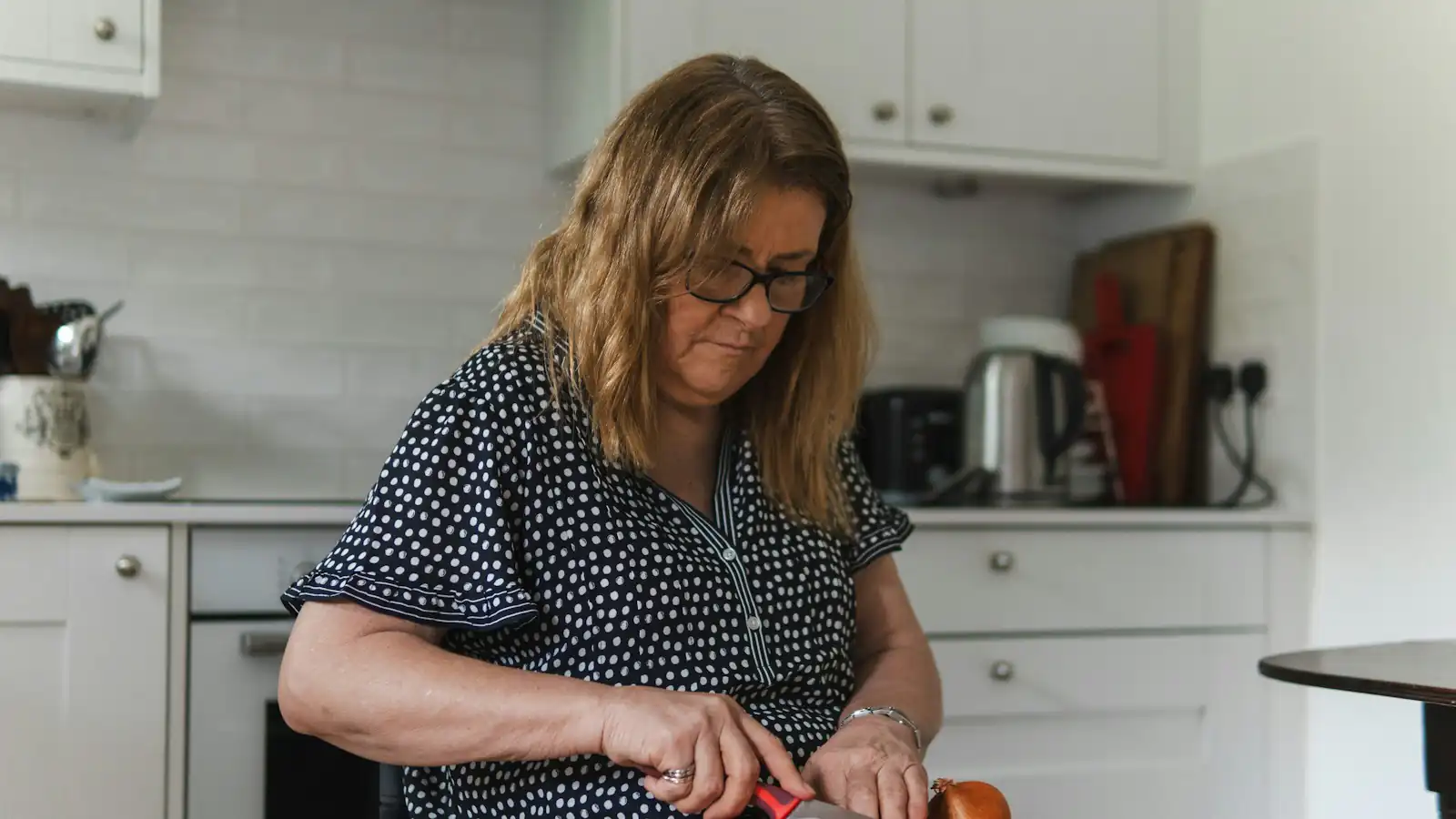
Functional assessment
Watching how you manage personal care, meals, housework, stairs and getting out, in your own surroundings.

Practical, goal-focused occupational therapy for adults whose daily life has become harder after illness, injury or surgery, or because of a long-term condition, fatigue or pain.
Request a quote
Tell us a little about what you need and we will be in touch to discuss the next steps.
We offer home-based assessment and rehabilitation in Newcastle and across the North East, helping adults keep or regain independence with personal care, household tasks, getting out and the activities they value.
An occupational therapist visits you at home to see the tasks that have become difficult, then writes a report and plan built around what you want to be able to do again. Rehabilitation sessions follow where needed, at home, in the community or by video for reviews, alongside advice on equipment and pacing.
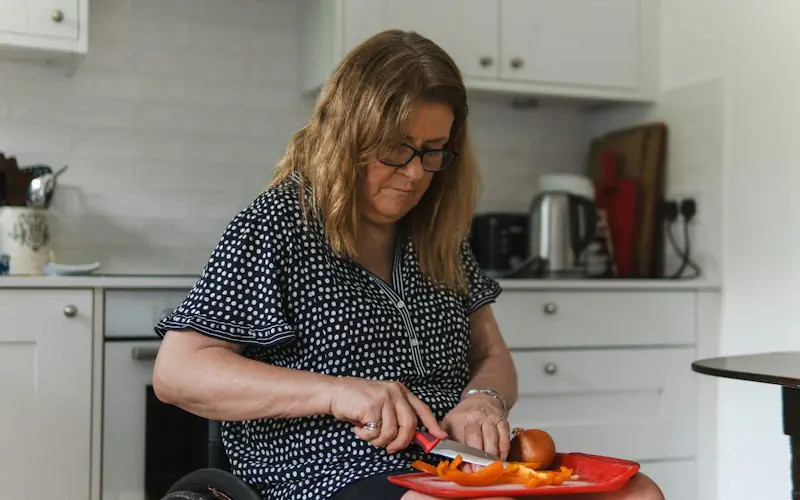
Adult occupational therapy suits people who want to stay independent, or regain independence, after a change in their health.
A hip replacement, a spell in hospital, a flare of arthritis or months of fatigue can turn showering, making lunch or getting to the shops into hard work, and confidence often drops along the way. Some clients are recovering from a specific event and want more input than NHS services can offer after discharge. Others live with a long-term condition and have gradually started avoiding activities they used to enjoy. Where a stroke, brain injury or progressive neurological condition is involved, our neurological rehabilitation service offers more specialist support.
Each element is used only where it helps you reach the goals you have set.
Watching how you manage personal care, meals, housework, stairs and getting out, in your own surroundings.
Clear goals in your own words, with progress reviewed at agreed points.
Graded practice of real tasks to rebuild strength, stamina, technique and confidence.
Pacing, planning and prioritising so limited energy goes on what matters most.
Advice on aids and home changes that make tasks safer and easier.
Practical advice for the people who help you, so support is consistent.
For many adults the main barrier is a shortage of energy rather than any single task. Fatigue and persistent pain tend to follow a boom-and-bust pattern: a good day leads to doing too much, followed by several days of recovery. Occupational therapy helps break that cycle with a more even, sustainable routine.
Together you look at a typical week, identify where energy is spent and find ways to spread demanding activities, build in rest and keep space for things you enjoy. Small changes, such as sitting to prepare vegetables or splitting the weekly shop, often make a noticeable difference. Sleep, posture and the layout of the kitchen or bathroom are reviewed too, because each can add to fatigue or pain without anyone noticing.
Goals might include showering independently, cooking a simple meal, walking to a local café, returning to a hobby or managing a part-time job. If work is the priority, our vocational rehabilitation service focuses specifically on returning to work.
A short email about your health, home and main difficulties is enough to begin, and a relative can send it with your consent.
Questions about your routine and priorities help decide what the assessment should cover.
You show the therapist the tasks you find hardest, and a relative can be present if you wish.
Sessions are spaced to suit your energy levels, and the plan changes as your abilities do.
Most sessions happen in your own home, because that is where the difficulties show up and where new routines need to work. Therapy can also take place in the community, for example practising a bus trip into town or a visit to the supermarket, and some reviews suit video appointments. We cover Newcastle, Gateshead, North and South Tyneside, Sunderland, Northumberland and County Durham.
Your report records the assessment, your goals and the recommendations. With your consent it can be shared with your GP, consultant or care provider, and it can support applications for equipment or adaptations. If major changes to your home are needed, our home assessments and adaptations service can provide the detailed specification.
Clients usually self-fund, and some private health insurance policies, personal health budgets or personal injury claims may cover the cost. Details are on the fees and funding page, and you always receive a quote first.
No. You can contact us directly. With your permission, findings can be shared with your GP or other professionals involved in your care.
Yes. Private sessions can add intensity or cover goals that NHS services are not currently addressing. Our guide to NHS and private occupational therapy explains the differences.
Yes. Relatives and carers often add useful detail, and they can learn techniques to support you between sessions.
It varies. Some people need an assessment and a few follow-up visits, while others benefit from a longer block of rehabilitation. You will know the recommended plan before committing.
Tell us what has become harder day to day and what you would like to get back to, and Private Occupational Therapy will suggest a sensible first step and send a quote.