Home assessments
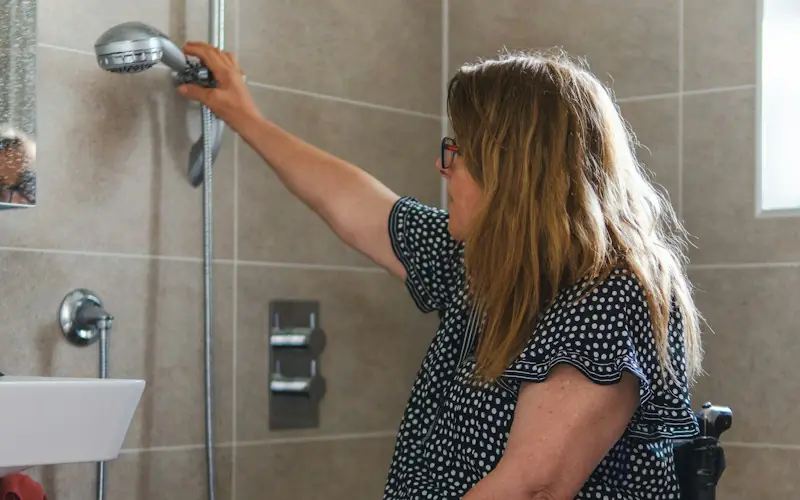
A room-by-room look at risks and workarounds, written up in order of priority.
Home assessments and adaptations
Home visits across Gateshead, from Low Fell and Felling to Whickham, Ryton and Birtley, focused on making houses safer and daily routines easier, with clear written recommendations you can act on.
Request a quote
Tell us a little about what you need and we will be in touch to discuss the next steps.
Private Occupational Therapy offers home-based occupational therapy to adults, older people and children in Gateshead, centred on home assessments, adaptation advice, equipment and seating, falls prevention and support for people living with dementia.
The work is carried out by an occupational therapist who travels over the Tyne from Newcastle to see you at home, and school or community visits can be arranged too. It starts with an initial conversation, followed by an assessment in the house, a written report with prioritised recommendations, and further sessions or a review where they help. Some of those reviews can happen by video.

A large share of occupational therapy in Gateshead comes down to the building a person lives in, and the borough has a very mixed stock of homes.
Older streets closer to the Tyne include Victorian terraces and Tyneside flats, where the upper flat's stairs start right behind the front door and there is rarely space for a second rail or a stairlift without careful planning. Elsewhere there are post-war council estates, bungalows, newer flats and family semis, each with its own problems around steps, narrow doorways and small bathrooms.
Further west, villages such as Ryton, Rowlands Gill and Chopwell sit on the edge of the Derwent Valley countryside, where houses can be older, gardens bigger and the nearest shop a drive away. A home visit takes all of this into account rather than relying on a checklist.
Many enquiries from Gateshead come from adult children worried about a parent who has had a fall or is finding the house harder to manage. These services are usually where things start.
A room-by-room look at risks and workarounds, written up in order of priority.
Home assessments and adaptations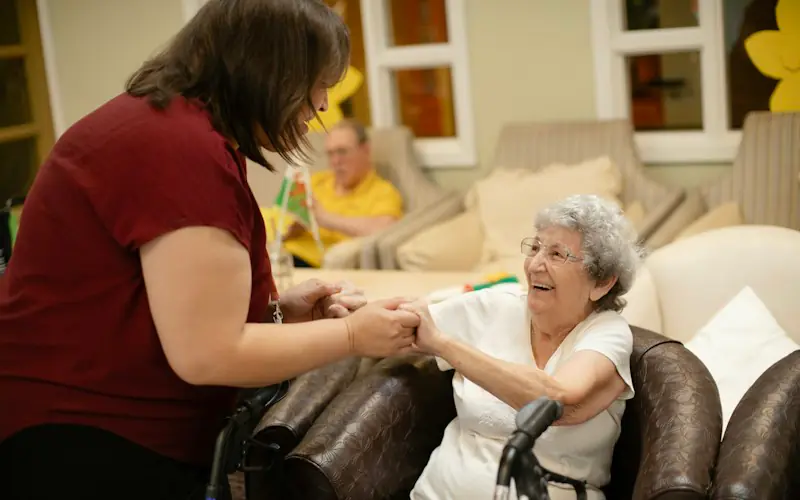
Balance confidence, safer routines and changes around the home after a fall or a near miss.
Falls prevention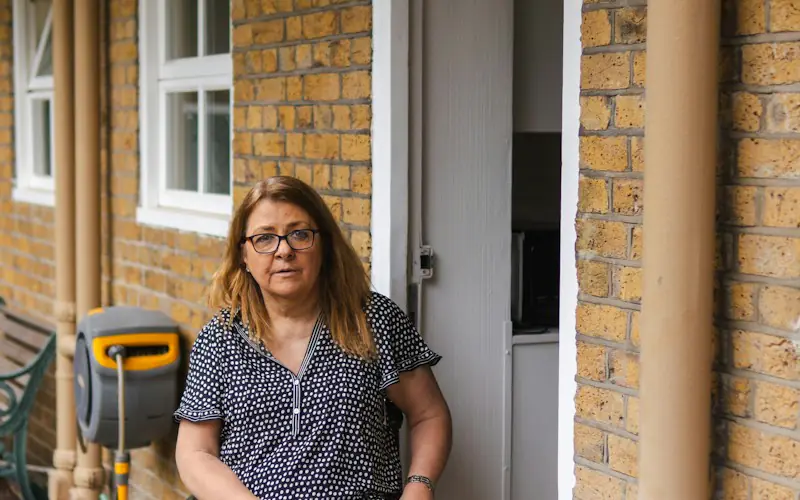
Rails, bathing aids, chairs and beds, measured for the person and the room they will be used in.
Equipment and seating
Ways to keep familiar routines going and make rooms easier to recognise and use.
Dementia supportBigger adaptations such as a level-access shower, a stairlift or a ramp may be paid for through a Disabled Facilities Grant, which is run by the local council. For people living in the borough that means Gateshead Council. The council normally carries out its own assessment as part of an application, and the way requests are handled can change, so check the current route with the council before you plan any building work.
An independent assessment helps with detail and with confidence. Some families want a clear view of what is needed before approaching the council, while others are paying for the work themselves and need a specification a builder can follow. A written report from Private Occupational Therapy sets out the difficulty, the options considered and the changes recommended, so it can be shared with the council, a landlord or a contractor.
Council and housing association tenants usually need the landlord's permission before adaptations go ahead. A report that explains in plain terms why a change is needed can make that conversation more straightforward.
The Queen Elizabeth Hospital at Sheriff Hill is run by Gateshead Health NHS Foundation Trust and is the main acute hospital for the borough. After a fall, a fracture or a spell of illness, the first weeks back at home are when the gaps in a routine tend to show: a bath that can no longer be used safely, a bed that sits too low, or a front step that suddenly feels like a hazard.
A private occupational therapist can visit after discharge, alongside any NHS input, to see how things are really going and suggest changes that fit the house. Private Occupational Therapy works independently of the hospital, so families arrange this themselves, and no letter from a GP or consultant is needed.
Some of the most common requests in Gateshead come from sons and daughters who live elsewhere and cannot be there every day. Private Occupational Therapy can visit while a relative is present or have them join by video, so everyone hears the same advice, and the written report gives the family a shared list of priorities to work through. Where memory is a concern, the visit also looks at reminders, lighting and how the kitchen is laid out.
The borough runs from the Tyne bridges out to the farmland and woods of the Derwent Valley, so travel varies more than people expect. Low Fell, Felling, Dunston and Birtley are quick to reach from Newcastle, while Ryton, Blaydon, Rowlands Gill and Chopwell take a little longer. Travel is talked through at the outset and built into your quote, and visits to the western villages are grouped together where that is practical.
Not every review needs someone at the door. Once recommendations are in place, a short video call is often enough to check how new equipment is working, with another home visit only when something needs to be seen in person.
Children and younger adults are seen as well, at home or in school, and families can read about children's occupational therapy for more on that side of the service. If you live across the river, see the page for Newcastle upon Tyne, or browse every location on the areas served page.
Send a short note about the person, their Gateshead home and what has changed recently. We will come back to you by email to arrange a conversation and a quote before any visit is booked.