
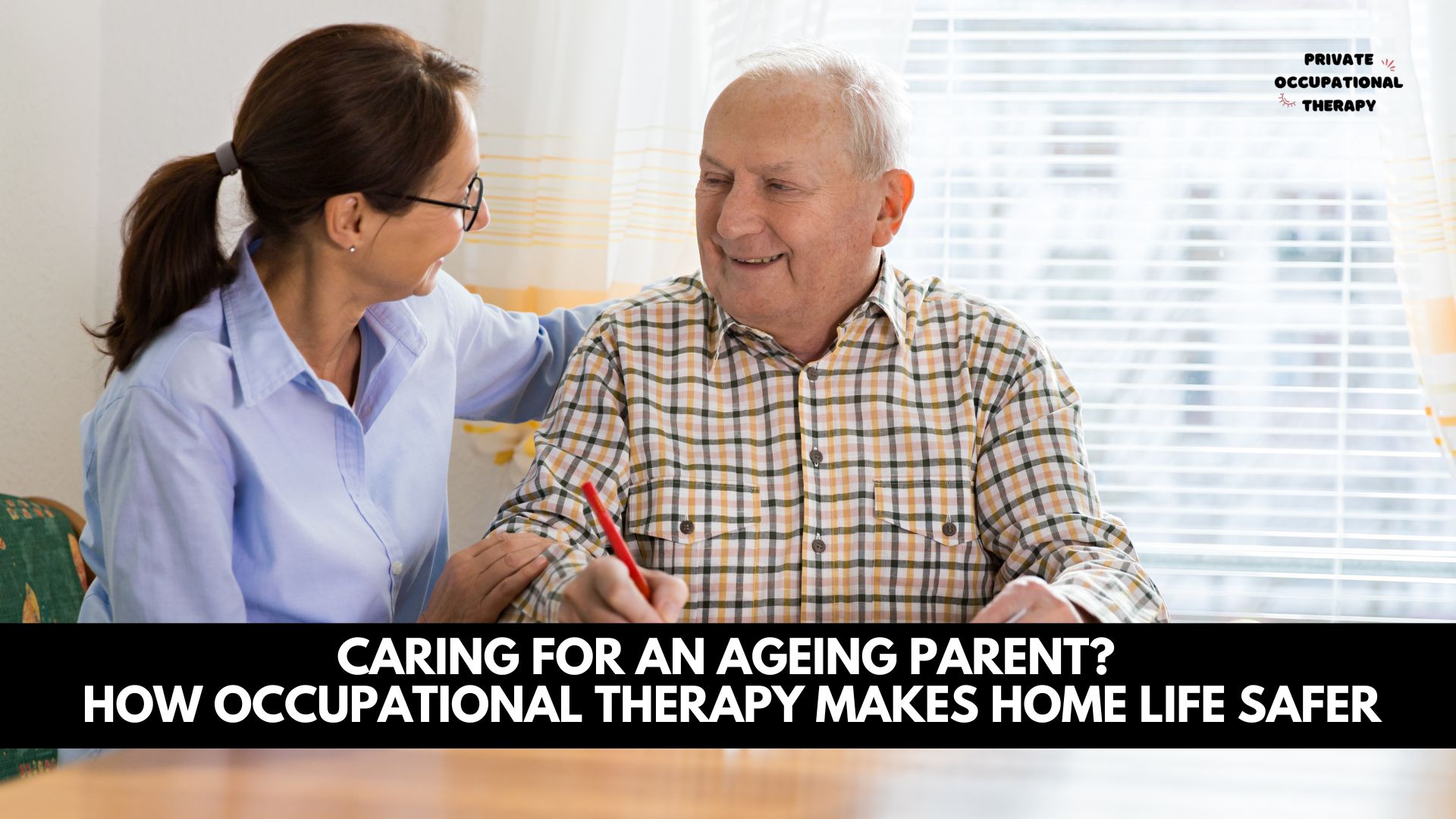
Caring for an ageing parent often brings both love and worry. You want them to feel comfortable and safe at home, yet you might not always know what changes will help most. This is where occupational therapy becomes invaluable. Occupational therapists work with families to adapt homes, routines, and activities to make everyday life safer and more enjoyable. Understanding how they can help is the first step toward a more confident approach to caregiving.
Why Is Home Safety So Important for Ageing Parents?
Home safety is vital because most accidents involving older adults happen in their own homes. Common hazards include loose rugs, poor lighting, and slippery bathroom floors. These risks can lead to falls, which often result in serious injuries or loss of confidence. A fall can make even simple activities, like bathing or cooking, feel frightening. By improving home safety, you help your parent stay independent and comfortable in familiar surroundings.
What Is Occupational Therapy and How Can It Help Your Ageing Parent?
Occupational therapy helps ageing parents live more independently by focusing on practical ways to make daily life easier. Therapists assess how someone moves, manages self-care, and interacts with their home environment. Unlike general care services, occupational therapy focuses on restoring ability rather than simply providing assistance. It also supports emotional well-being by helping people feel capable and in control. The goal is to empower your parent to do more safely, not less.
How Do Occupational Therapists Assess Safety in the Home?
Occupational therapists assess home safety by observing how your parent completes daily activities in their living space. During a visit, they’ll look at mobility, reach, and potential risks such as uneven flooring or poor lighting. They often start with key areas like bathrooms, stairs, and kitchens — where most incidents occur. The therapist then recommends tailored adjustments or equipment to make tasks easier. This practical assessment ensures changes are specific to your parents’ real needs.
What Practical Changes Can Make a Home Safer for an Elderly Parent?
Simple, well-planned adjustments can make a big difference to safety and comfort. Installing grab rails in bathrooms, non-slip mats, and raised toilet seats can prevent falls. Reorganising furniture to allow easier movement or adjusting lighting helps improve visibility. Even small additions, such as a shower chair or reaching aid, can reduce strain and risk. Occupational therapists combine these changes with training, helping your parent use their home safely and confidently.
How Can Occupational Therapy Support Independence and Well-being?
Occupational therapy supports independence by helping older adults maintain essential skills for daily living. Therapists teach safer ways to dress, cook, and move around while reducing the need for constant assistance. This promotes confidence and preserves dignity, which are vital for mental well-being. Many older adults also benefit emotionally from learning how to stay active within their limitations. By focusing on ability, not disability, occupational therapy strengthens both body and mind.
How Can Families Work Together with an Occupational Therapist?
Families play an important role in making occupational therapy effective. By sharing insight into your parents’ habits and challenges, you help the therapist create realistic goals. Between sessions, caregivers can encourage safe practice and maintain any new routines or exercises. It’s also important to balance support with independence — giving help when needed but allowing your parent to stay involved in their care. Working together ensures the benefits of therapy last long after the sessions end.
How Do You Arrange an Occupational Therapy Home Visit?
Arranging a home visit is simple and can be done either privately or through a GP referral. Before the appointment, make a note of your parent’s main difficulties and any specific safety concerns. During the visit, the therapist will observe, discuss, and assess practical solutions tailored to your home. After the assessment, they will recommend any changes, equipment, or follow-up sessions needed. Acting early means your parent can enjoy a safer and more supportive living space sooner.
Creating a Safe and Supportive Home with Occupational Therapy
Making home life safer for an ageing parent starts with understanding their needs and environment. Occupational therapy offers professional insight into how small adjustments can have a big impact on comfort, confidence, and safety. Through simple adaptations, education, and collaboration, families can transform the home into a place that truly supports independence. The result is peace of mind for both you and your loved one. With the right guidance, caring for an ageing parent becomes easier, safer, and more fulfilling.


